Strengthening Local Coordination for More Effective Humanitarian Response
Effective humanitarian response depends on more than the delivery of assistance. It requires strong coordination among humanitarian organizations, meaningful community participation, and mechanisms that ensure the needs and concerns of affected populations are heard and appropriately addressed. Strengthening these elements is essential to promoting accountability and improving the coordination of humanitarian support.
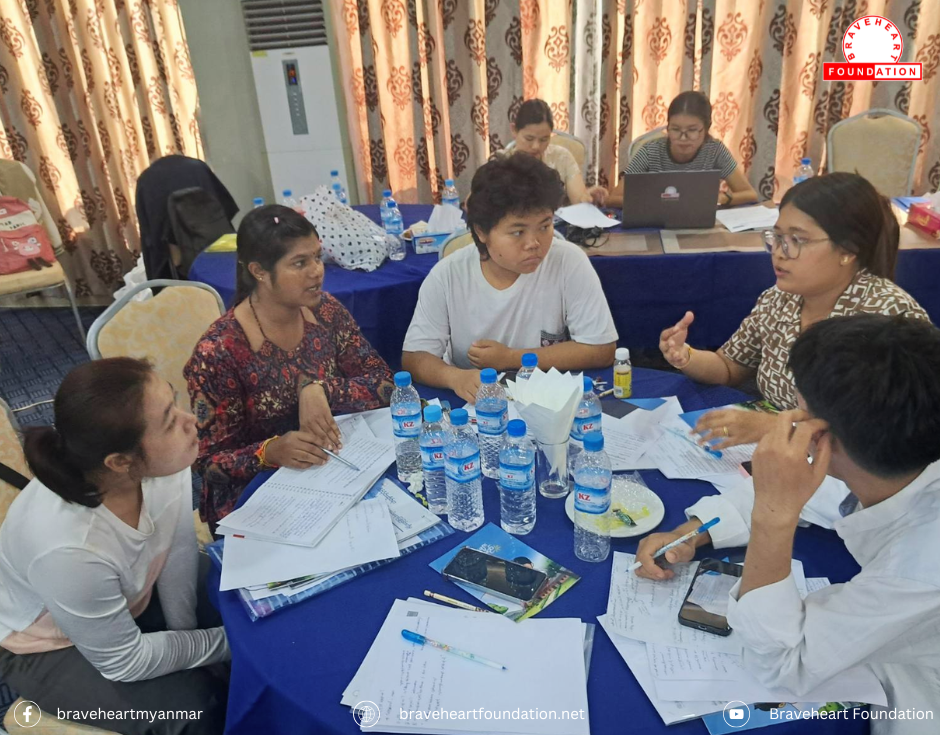
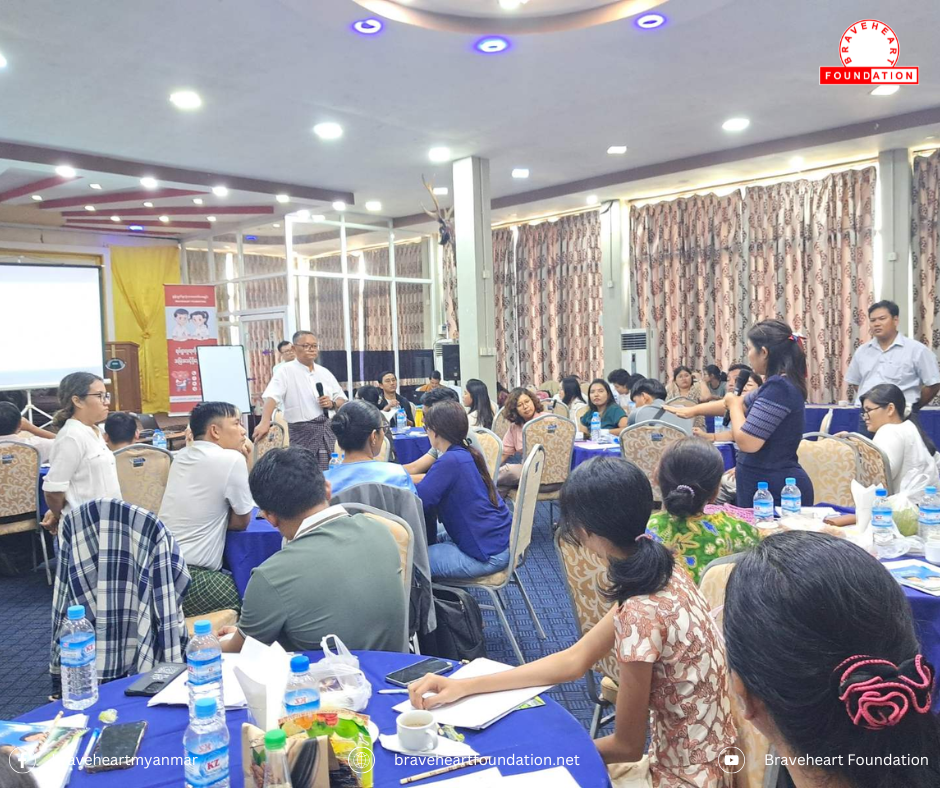
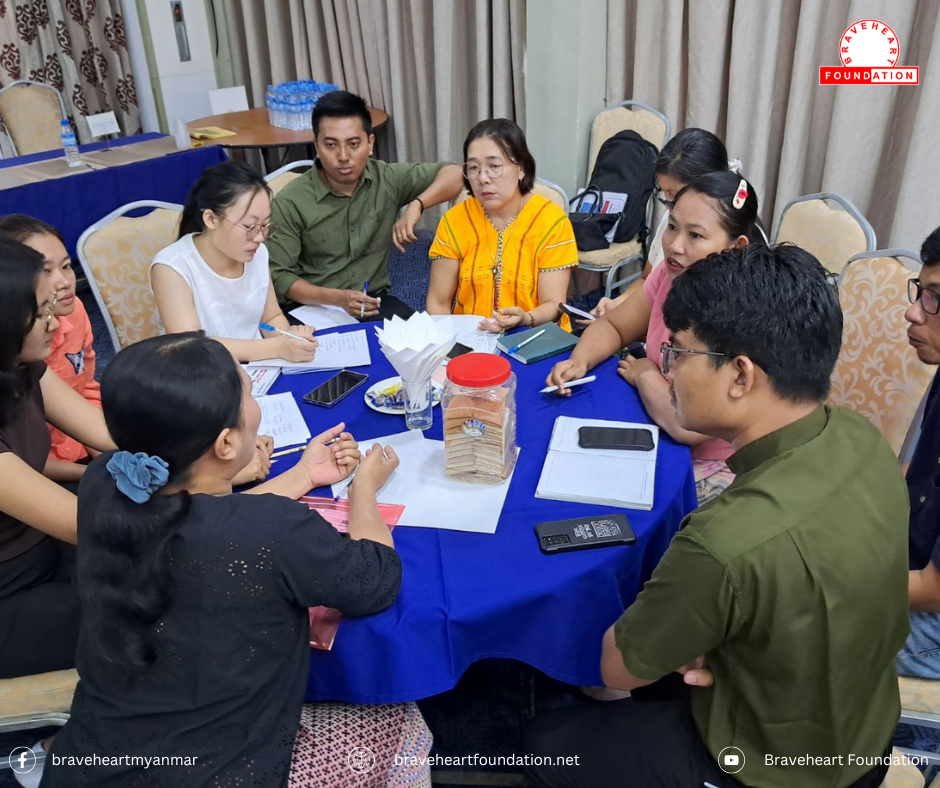
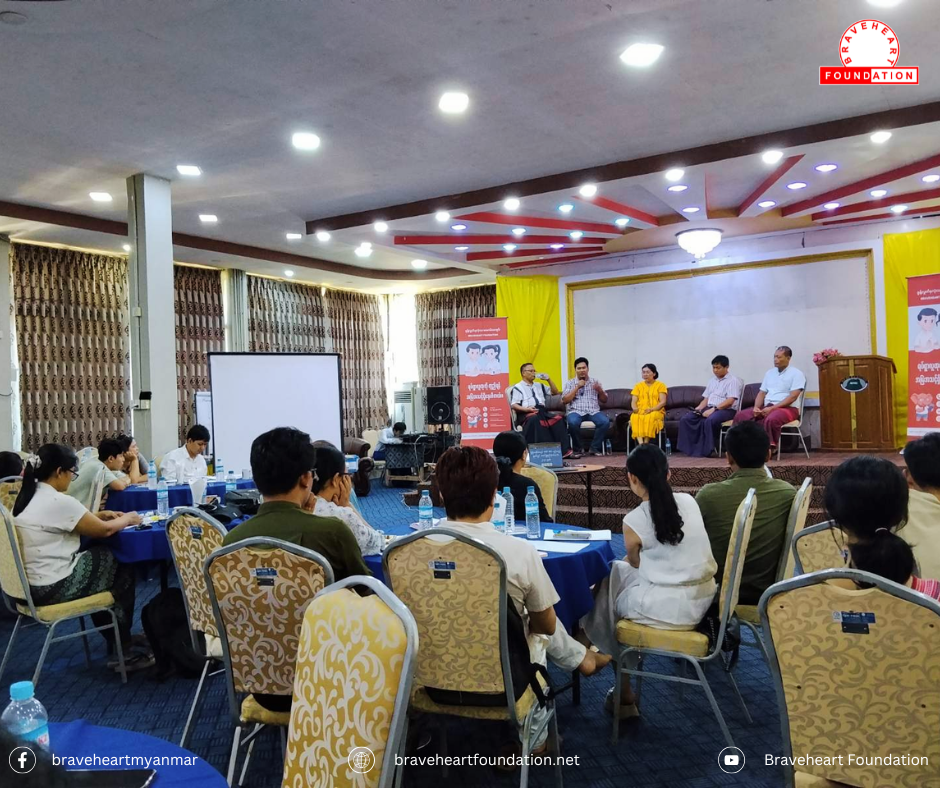
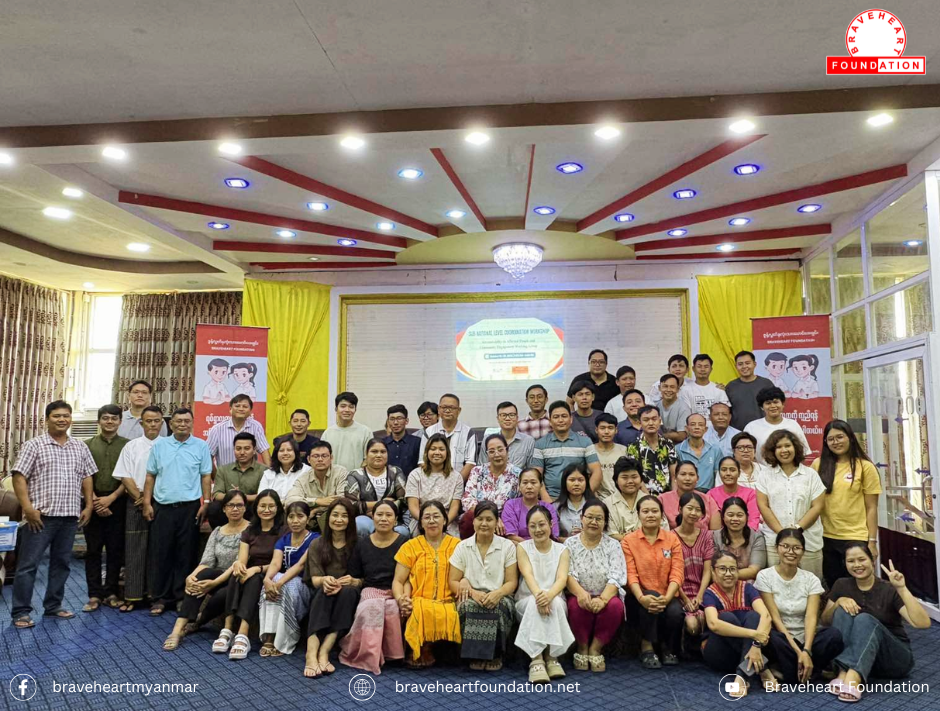
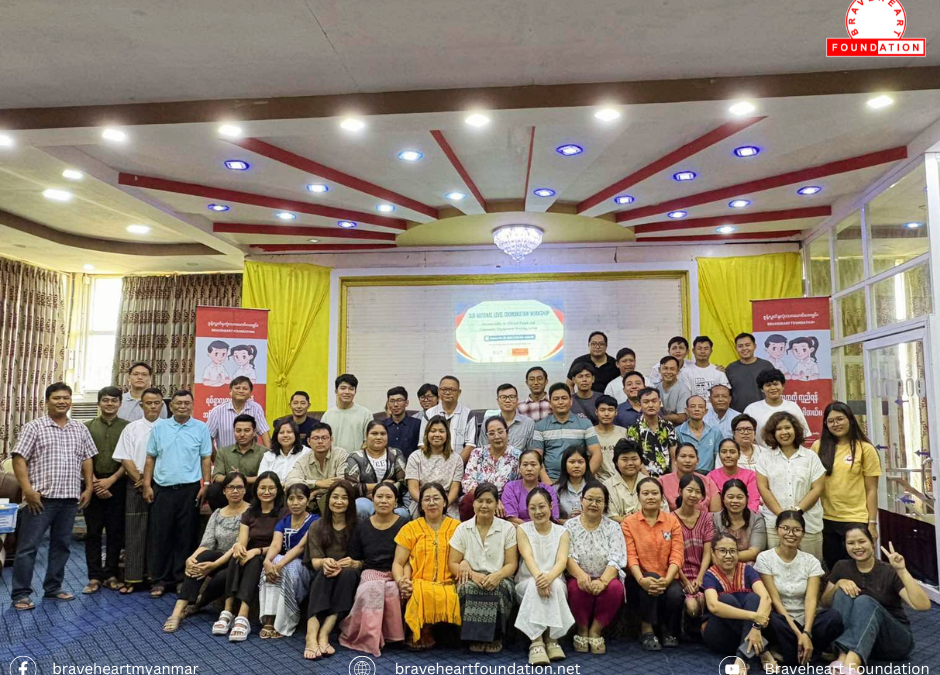
To contribute to these efforts, Braveheart Foundation conducted a Sub-national Level Coordination Workshop in Hpa-An Township, Kayin State, focusing on strengthening coordination among local organizations and supporting greater community participation in humanitarian response processes.
The workshop provided an opportunity to explore humanitarian coordination mechanisms in southeastern Myanmar and discuss ways to expand the participation of Community Champions in relevant coordination meetings. By creating more opportunities for Community Champions to engage in these processes, local perspectives and community concerns can be better represented in humanitarian discussions.
The workshop also highlighted the importance of effective inter-agency communication and referral pathways. Stronger coordination can help ensure that feedback and complaints raised by affected communities reach the appropriate organizations and that individuals are connected with relevant services based on their needs.
Accountability to Affected Populations (AAP) remained an important consideration throughout these discussions. Ensuring that humanitarian assistance responds to community needs requires organizations to listen to feedback, communicate effectively, and work together to address concerns through appropriate channels.
Through this initiative, Braveheart Foundation continues to support collaboration among local organizations and promote stronger coordination mechanisms that contribute to more responsive and accountable humanitarian action. By strengthening these connections, humanitarian actors can work towards ensuring that affected communities’ voices, needs, and concerns remain central to the assistance they receive.